Old House Plumbing in Boondall
Galvanised service lines, pipework under the floor and gas fittings from another era: that is old house plumbing in Boondall. Our licensed plumbers handle all three, same-day where we can, 7 days a week.
If we're late, $100 comes off your bill

- Licensed and InsuredEvery job done by a licensed plumber. QBCC No: 15024607
- Fixed Quote FirstFlat-rate pricing, agreed before any work starts
- Lifetime Labour WarrantyBacked by our Fix-It-or-It's-Free guarantee (T&Cs apply)
- $0 Call-Out FeesNo extra charge for nights, weekends or public holidays
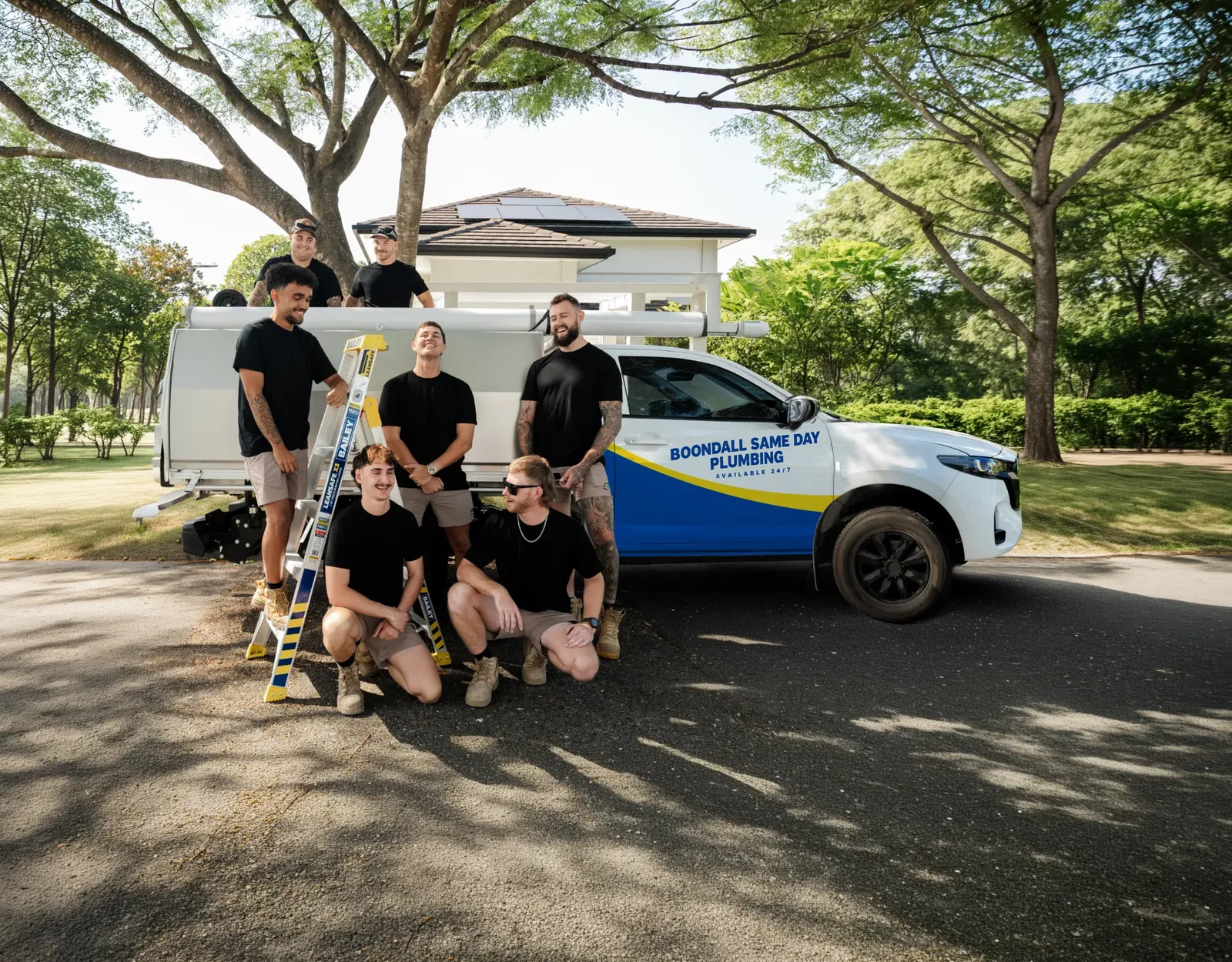
Postwar weatherboard and fibro houses from the 1940s to the 1960s fill much of the suburb, and their plumbing needs a different eye to a new build. We bring that eye to every job, from Boondall out to the neighbouring streets.
Signs of Trouble in Old Pipework You Can See
Stump-house plumbing usually runs where you can see it: the supply, waste and gas lines all cross the open space beneath the floor. A slab house hides its pipework in or under the slab and inside the walls, so reaching it means opening something up.
A look underneath tells you plenty before anyone cuts anything:
- soil beneath a pipe that stays wet or soft
- drips from joints, especially where old threads have loosened
- rust stains on pipes and fittings
- timber near a run gone damp or dark
- a musty smell underneath
The Plumbing and Drainage Act also asks you, as the owner, to do everything reasonable to keep the plumbing and drainage at your premises in good condition and working order. Catching those signs early is part of that job. Where water shows but the source hides, our leak detection service traces it.
What the Age of Your Water Pipes Means
Galvanised pipe is steel with a zinc skin. Once the zinc wears away, the steel rusts from the inside, and that rust reaches your taps as discoloured water, weak flow at several fixtures, and leaks that keep coming back along the same run.
One date is worth knowing. Until 1989, plumbers across Australia commonly joined copper pipe and brass fittings with solder containing lead, so any place plumbed before that year deserves a closer look at its service lines. We confirm the material and condition on site, because no rule of thumb replaces eyes on the pipe.
The paperwork splits in two as well. A broken pipe repaired in place is minor work: a licensee handles it, with no permit and no Form 4.
A whole new supply line from the meter to the house sits under notifiable work instead, so the Form 4 goes to the QBCC and you receive a copy. Our water pipe repairs page sets out where each job lands.
Old Gas Fittings and Who May Touch Them
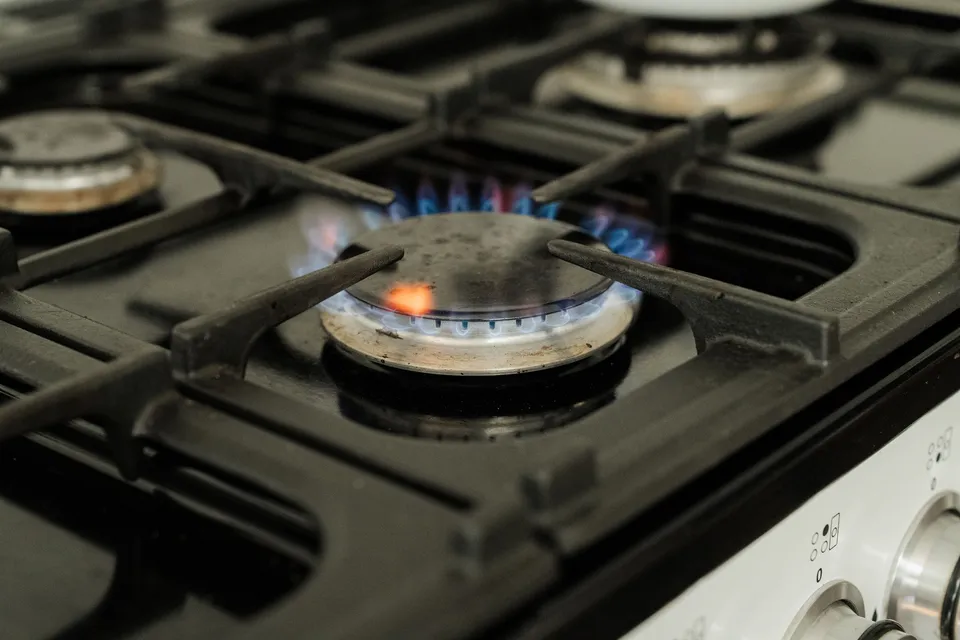
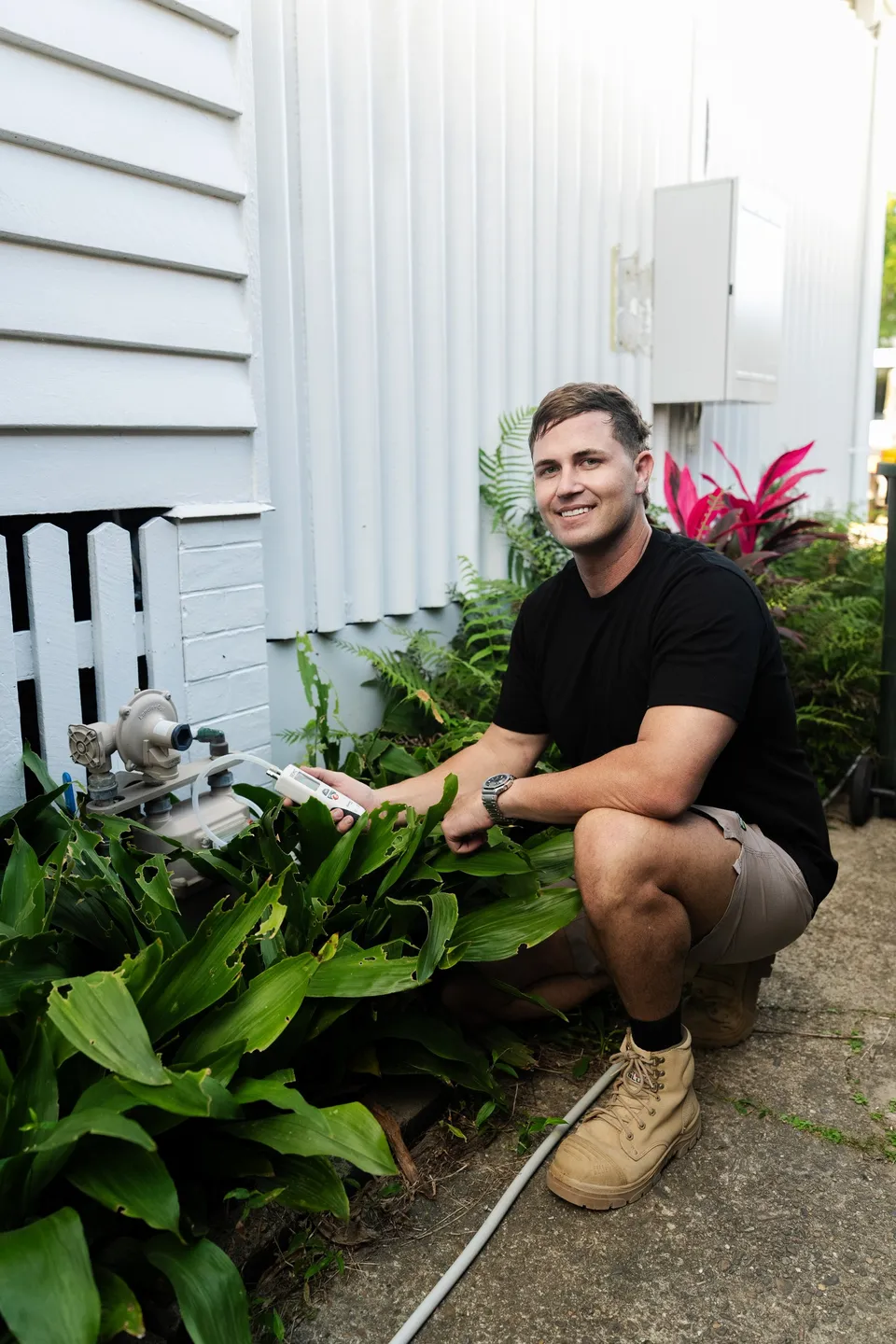
Queensland reserves every part of gas work, from installation and repair through to testing and certification, for licensed gasfitters. The Queensland Government also advises owners to check regularly for corrosion, deterioration or damage, and to keep combustible materials away from appliances.
Two protections follow from that. When a gas worker spots a safety fault that is not repaired then and there, the owner receives a defect notice.
And if you smell gas, turn the appliance off, open doors and windows, and leave every switch and power point untouched. Shut the gas off at the meter or cylinder if the smell stays, and call 000 if it will not clear.
Never relight a pilot or hunt for a gas leak yourself. Our gas fitting page explains what a licensed gasfitter covers across these homes.
What a Renovation Sets Off in an Older Home
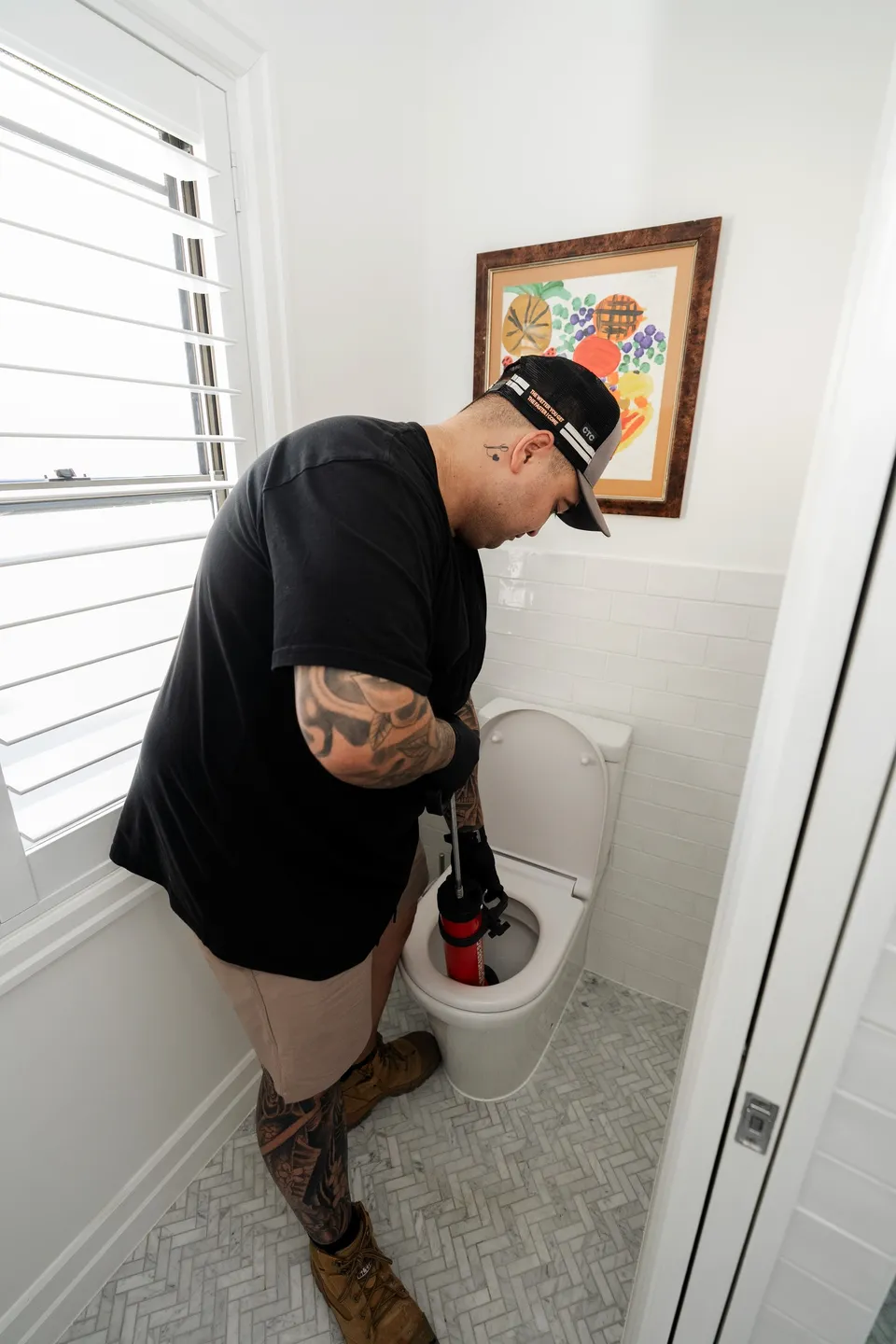
Most renovation plumbing in an older house is notifiable work: a licensee carries it out without a council permit and registers it with the QBCC through a Form 4. Under the Regulation, a building counts as existing when drainage plus a water supply are both present, which covers nearly every older house.
Renovating a kitchen or bathroom, or shifting fixtures such as toilets, showers and sinks, sits in that same category. The Form 4 goes to the QBCC within 10 business days, and you keep your copy.
Some triggers change the picture:
- A permit comes first where the property connects to a combined drain or a dual-reticulated supply, so the plumber applies to the local government before starting.
- Any new or replacement water heater calls for a temperature control device, which caps the water at the taps at 50°C. A new fixture meant mainly for personal hygiene triggers one too; changing a tap washer or a shower head does not.
- Most houses built before 1990 hold some asbestos, so a renovation there takes extra care.
- A permit stays with the property it belongs to, so it binds whoever owns or occupies the place afterwards.
The QBCC also keeps a notifiable work register you can search by address, and the QBCC will send you the Form 4 from past work if you ask.

What Sets the Postwar Houses Apart
The older housing splits in two. A handful of pre-1947 houses cluster around Landsboro and Queenstown Avenues, and the postwar weatherboard and fibro blocks spread from there across the suburb's low ground.
The galvanised service lines under those postwar houses tend to give way where the threads meet. Ground that stays wet for months lets a slow weep wash the soil out from around a joint, so the first sign can be a soft patch under the house rather than water anywhere. When a joint lets go properly, our emergency plumber page covers the first steps.
How We Work on Older Homes
- 1

Describe the problem
Phone (07) 3523 6484 or fill in the form with what you're seeing in Boondall. The more we know, the better we can prepare.
- 2

We get under the house
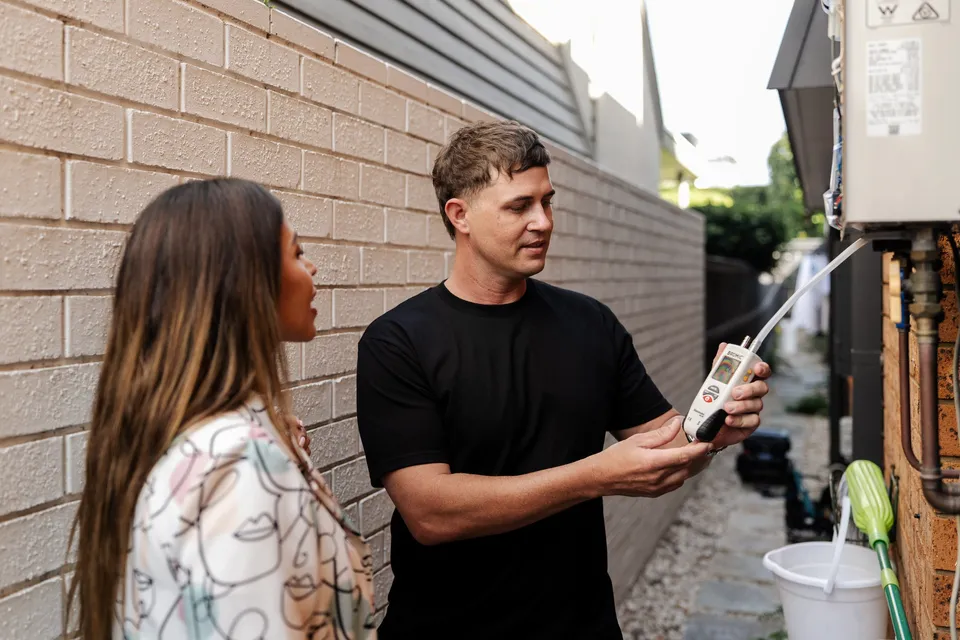
On the visit we work along the under-floor runs, check the pipe material and its joints, test flow at several taps, and look over any exposed gas pipework and the meter. You get the findings in plain words.
- 3
Agree on the price
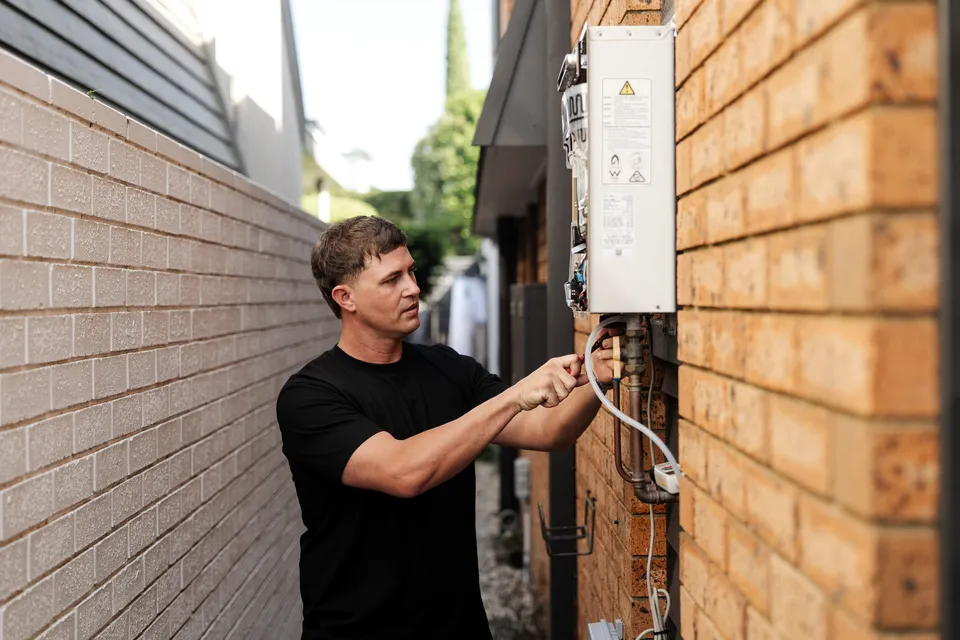
A fixed quote comes before any work starts: flat-rate pricing, no hidden fees, and your go-ahead first.
- 4

Pay on completion
Card or EFTPOS on site when everything's working, or ask us about Fix now, pay later.
Plumbing job in Boondall?
$0 call-out fees, available 24/7, and same-day where we can.
Older Home Plumbing Questions
Call (07) 3523 6484What's different about the plumbing in an older Boondall home?
Age, alteration and materials. The pipe material and its condition matter more than the fixtures, because the runs under the floor, the older gas fittings and every past renovation leave a record a licensed plumber reads on site.
How do I check the plumbing in an old house?
Start with what shows: damp patches, wet soil, rust on pipes and fittings, rusty water, weak flow and drips from joints beneath the floor. Urban Utilities looks after the mains to your boundary; the pipes on your side are yours, and a licensed plumber checks those.
Why is the water rusty in my older home?
Rusty or brown water usually means steel pipe rusting from the inside, once the zinc coating wears through. We confirm what's going on on site, because other faults discolour water too, and a full replacement is a separate conversation with its own quote.
Is the old gas pipework in my house safe?
No, not one to judge yourself. Only a licensed gasfitter may assess, alter or test the system, and the Queensland Government advises checking often for corrosion, damage or general deterioration. If you smell gas, switch the appliance off, open doors and windows, leave every switch and power point untouched, and call 000 if the smell will not clear.
Does renovating my Boondall home need a plumbing permit?
No, not usually. Plumbing in an existing building is classed as notifiable work, so your plumber lodges a Form 4 with the QBCC instead. A permit applies where the property connects to a combined drain or a dual-reticulated supply.

Ring Us About Your Older HomeWe'll call you back.
Ring (07) 3523 6484 and tell us what's wrong. You get $0 call-out fees, a fixed quote before any work starts and same-day where we can, 7 days a week.
To claim your $0 call-out fee, call (07) 3523 6484 today.