How to Find a Water Leak
A water bill that jumps with no change in your habits is the common first clue, and the meter confirms it. The way of how to find a water leak is a no-use meter test, then a slow walk through the house hunting for the signs of a hidden leak. Homeowners in Boondall can run every check on this page in a single afternoon, and each one costs nothing but patience.
If we're late, $100 comes off your bill

- Licensed and InsuredEvery job done by a licensed plumber. QBCC No: 15024607
- Fixed Quote FirstFlat-rate pricing, agreed before any work starts
- Lifetime Labour WarrantyBacked by our Fix-It-or-It's-Free guarantee (T&Cs apply)
- $0 Call-Out FeesNo extra charge for nights, weekends or public holidays

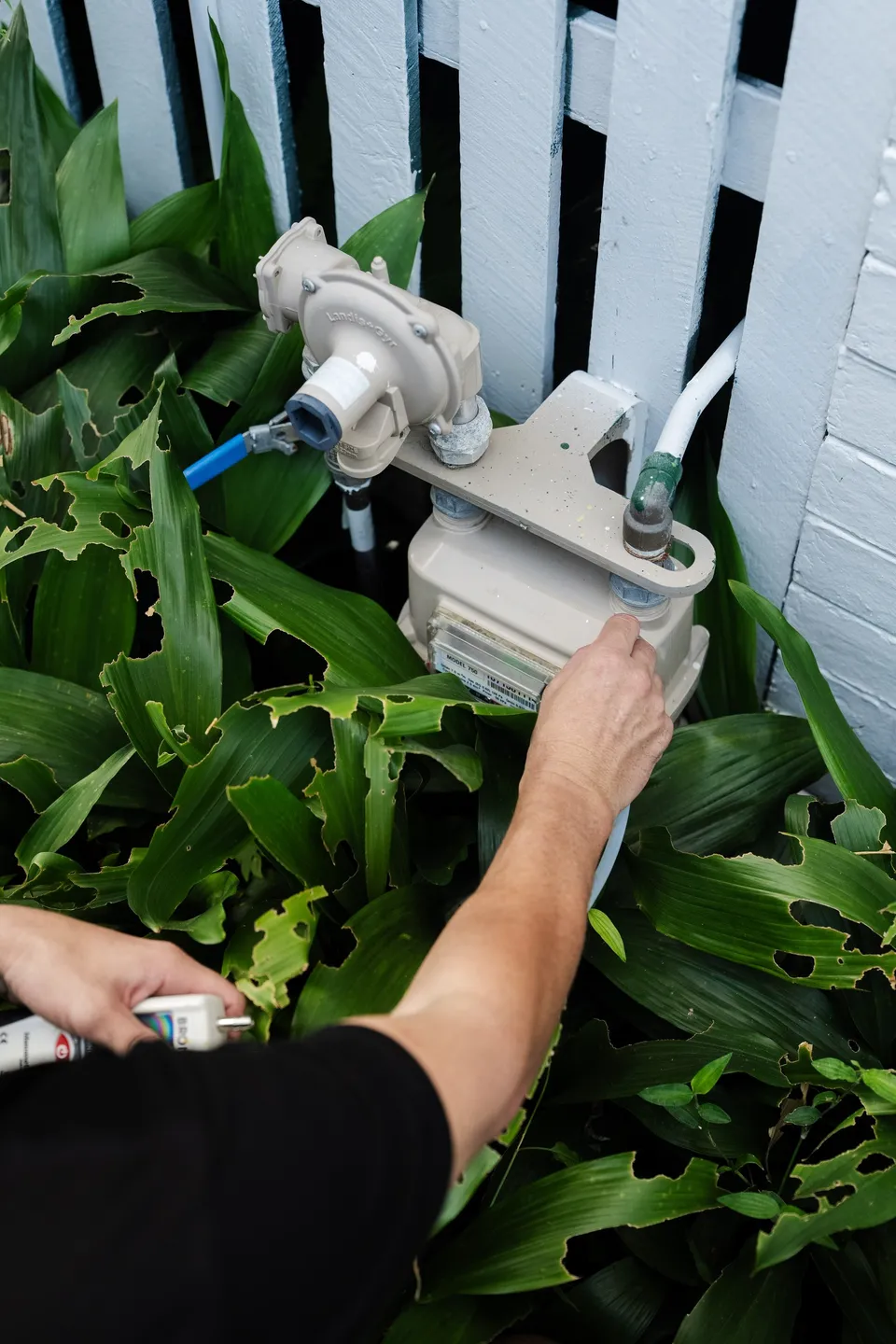
A leak keeps running day and night, so you watch the meter during a period when nothing on the property should be drawing water. The numbers or the dial move only when water passes through the meter, so any change with every tap and appliance shut down suggests a leak.
Start With a No-Use Meter Check
Shut down every water-using appliance and outlet, note the meter numbers, wait with no water used, then read the meter again. If the numbers have changed, water is escaping somewhere on your property, and a licensed plumber should investigate.
The test needs a proper shutdown first, and the shutdown is where most people slip up:
- Turn off every tap, the hose, the washing machine, the dishwasher, a fridge plumbed to the water supply, and the irrigation, if you have it.
- Leave the tap at the meter itself turned on.
- Photograph or write down the meter numbers, including the small red ones, before you walk away.
- Use no water at all while the test runs, then come back and compare.
Look for a small box below the ground, set level with the verge out near the road, on the strip between the kerb and your front boundary. Some sit in the footpath instead. Knowing where yours is saves a panicky hunt on a wet night.
The Toilet Dye Test and Other Quick Checks
Work through the indoor checks in this order: toilet cisterns first, then taps and showers, then plumbed-in appliances, then the walls, ceilings and floors.
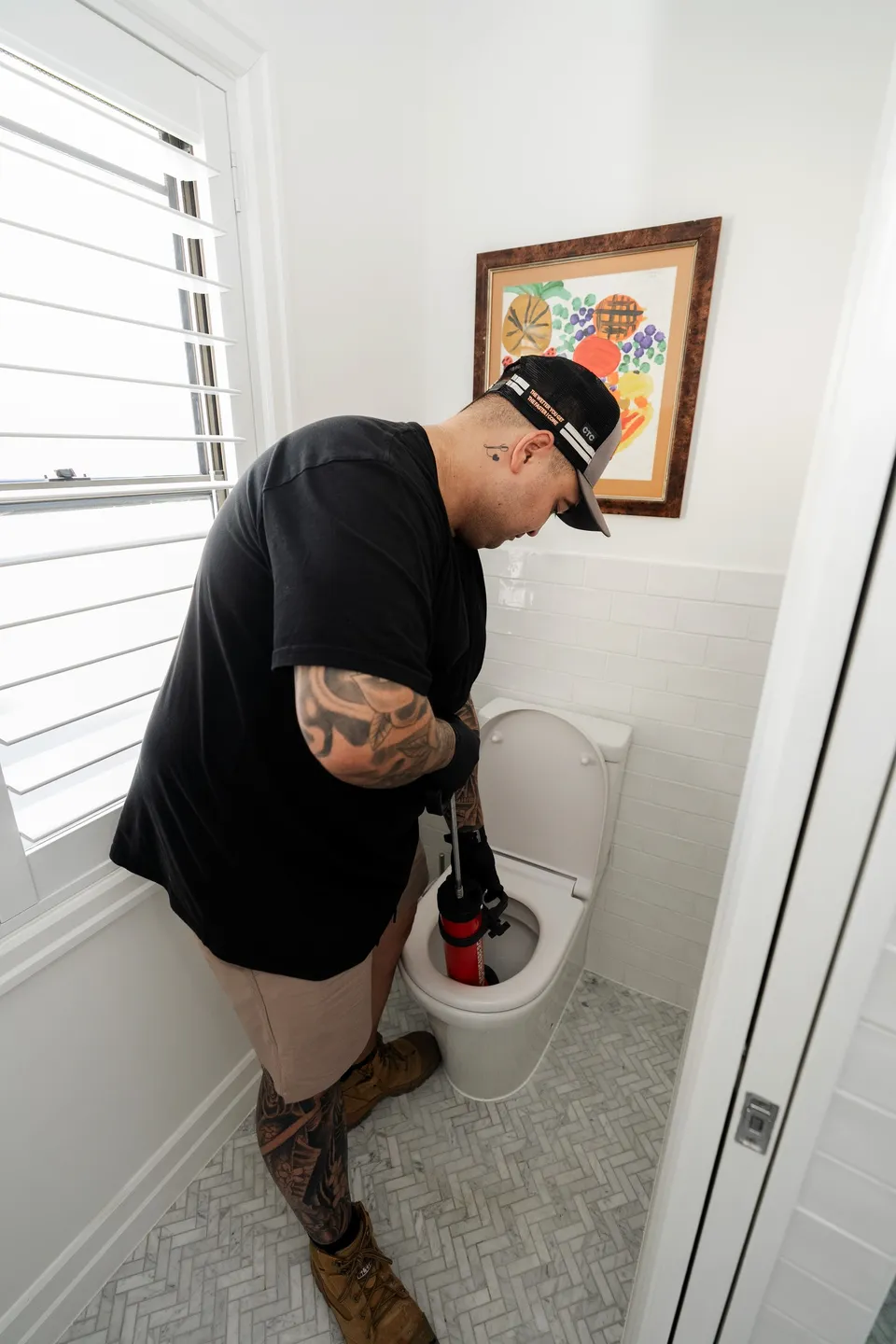
The cistern comes first because a silent toilet leak wastes more water than almost anything else indoors. Drip some food colouring into the cistern, then give it time without flushing. Colour drifting into the bowl means the cistern is letting water past its seal, and a flush when you're done clears the dye, which leaves no stain on a ceramic bowl.
Then check the rest of the wet areas:
Taps and showers
confirm each one is fully off and not dripping, including the laundry tub.
Fridge on the water line
look behind and under it for water at the connection.
Hot water system
check for water at the base and at the valve, once.
Walls and ceilings
damp or stained plaster, a musty smell and swollen or peeling finishes all point to water where it should not be.
Floors
a warm patch on tiles or a soft spot underfoot is one of the slab leak signs worth taking seriously, because a pipe under the slab can quietly wet the ground for months.
Where Water Hides in the Yard
Check the outdoor side in this order: garden taps and hose fittings, any rainwater tank, then the ground itself, and the pool only if you have one.
Garden taps and hose fittings
a slow drip at an outdoor tap can waste thousands of litres over time, so look for wet soil under each one.
Rainwater tank
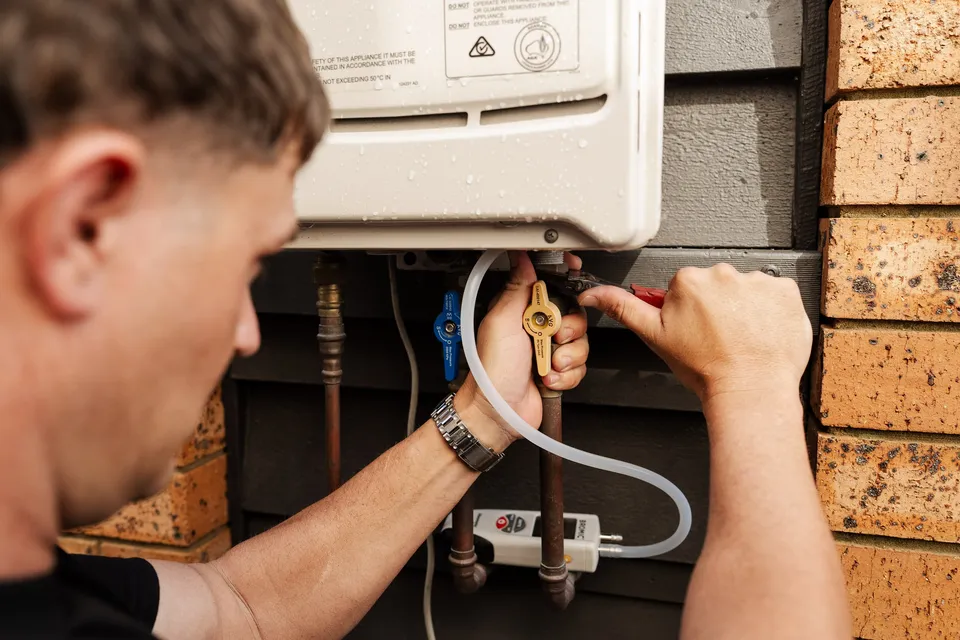
check that the tank is not topping itself up automatically from the town supply. A failed solenoid valve or a part inside the tank can keep adding water, and a licensed plumber checks and repairs that.
The ground
soggy patches, spongy or unusually green lawn and paving gone uneven all point to water escaping under the ground.
The pool, if you have one
fill a bucket from the pool, stand it on a step so the levels match, mark both, and leave the pool alone for 24 hours. A bigger drop in the pool than in the bucket suggests a leak, and an equal drop is just evaporation.
Meter Moving but Nothing Found
A leak you can see at a tap, toilet or fitting is the likely culprit. A meter that still moves after the whole hunt points to a concealed leak. Those hide underground, under a driveway or inside a wall, and they waste enormous volumes of water a day until a big bill or water damage gives them away.
Older properties deserve an extra moment of suspicion. The postwar houses here run old galvanised service lines, and their threaded joints are the weak points. In this waterlogged ground a weeping joint can wash the soil out from around itself long before any water shows on top.
Repairs sit with a licensee. Queensland classes fixing a split or damaged pipe as minor work, which a licensee must do, with no permit and no Form 4. Every pipe and fitting from the meter onto the property is yours to maintain, so the finding and the fixing both land with you as the owner.
When to Call a Plumber
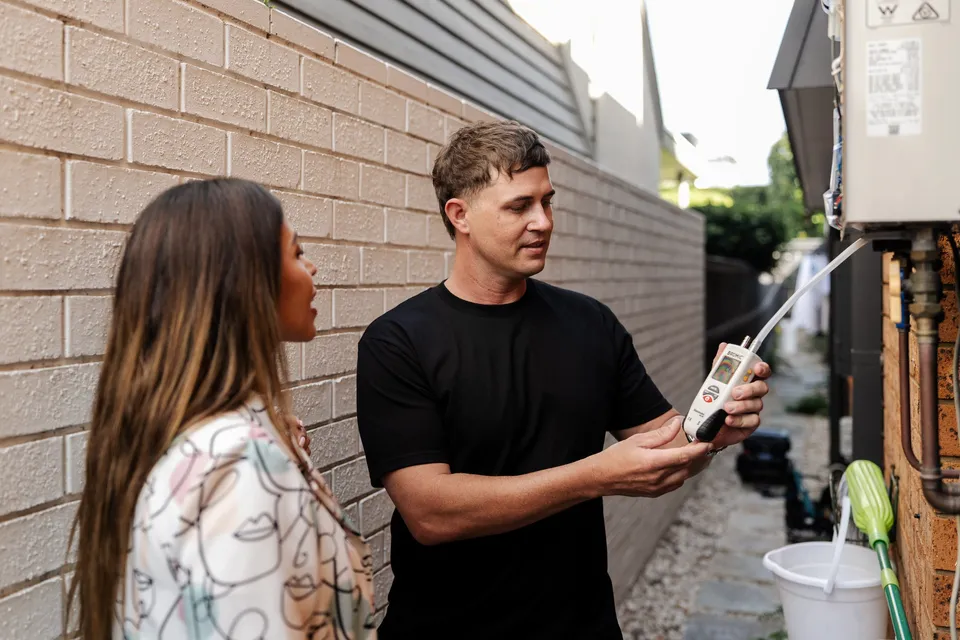
Call once the meter has moved and your hunt has come up empty, because a concealed leak never fixes itself. We isolate sections of the pipe, pressure test the line, listen along the run and take moisture readings to narrow the water down to one stretch. Our leak detection service carries the full process, along with the rules a concealed leak can trigger on your Urban Utilities account.
Water Leak Questions Answered
Call (07) 3523 6484How long should I leave my water meter before checking it again?
Give it a full hour or more, with nothing in the house drawing water. Taps, appliances and irrigation stay off until you go back and read the dial again. Movement after that wait means water is escaping, and that's a job for a licensed plumber.
Where is the water meter at my Boondall home?
Look for a small box below the ground, set level with the verge out near the road, on the strip between the kerb and your front boundary. Some sit in the footpath instead. Lift the lid and the numbers sit on top.
How do I run a toilet dye test?
Drip some food colouring into the cistern, then give it time without flushing. Colour drifting into the bowl means the cistern is letting water past its seal. Flush when you're done; the dye leaves no stain on a ceramic bowl.
Will the water utility reduce my bill for a hidden leak?
Yes, Urban Utilities may reduce a bill under its concealed leak rules. The leak has to be out of sight, on your side of the meter, fixed within the allowed time, and backed by a licensed plumber's invoice. Leaking taps and toilets don't qualify, and no set amount applies.

Ring Us About That Meter ReadingWe'll call you back.
Ring (07) 3523 6484 and tell us what's wrong. You get $0 call-out fees, a fixed quote before any work starts and same-day where we can, 7 days a week.
To claim your $0 call-out fee, call (07) 3523 6484 today.